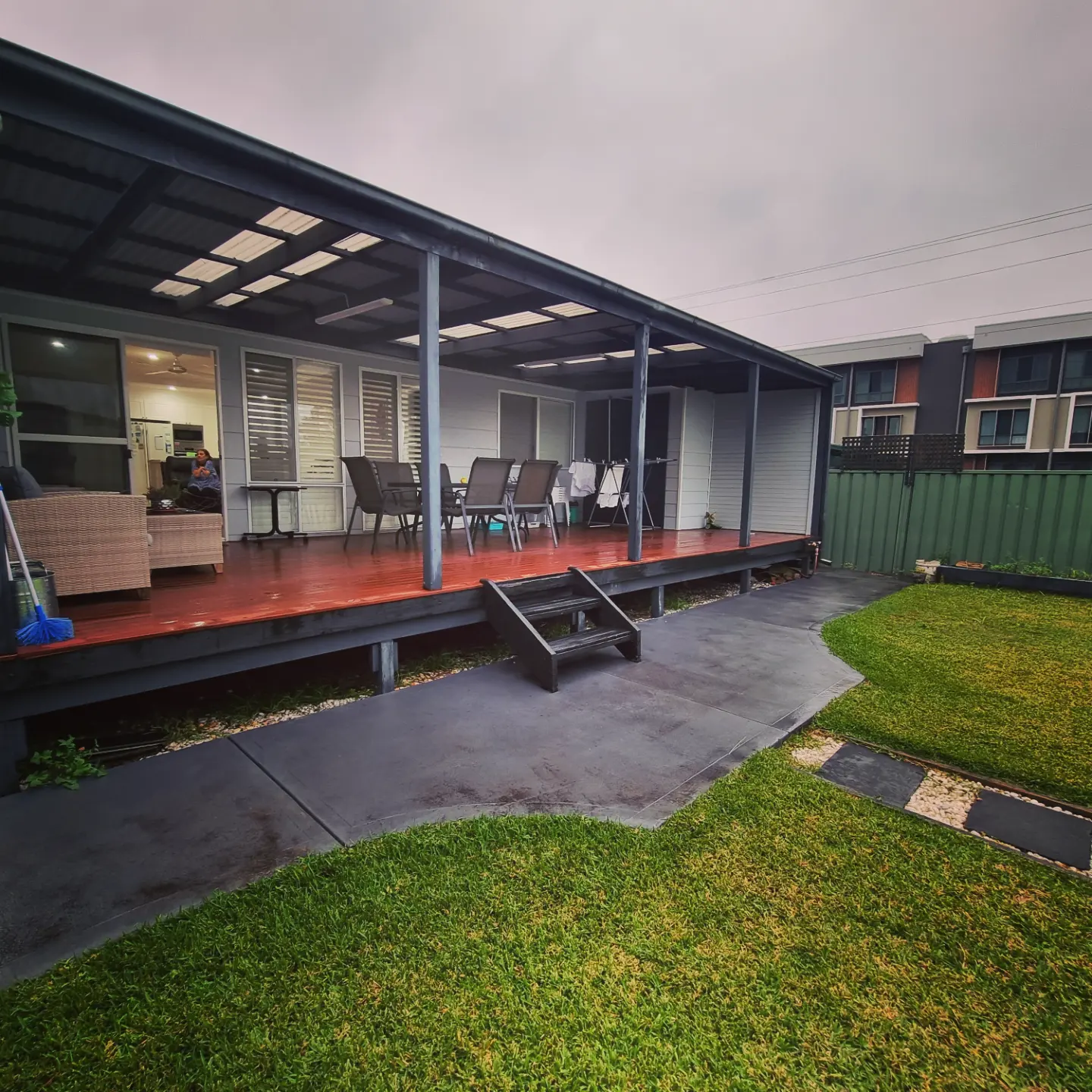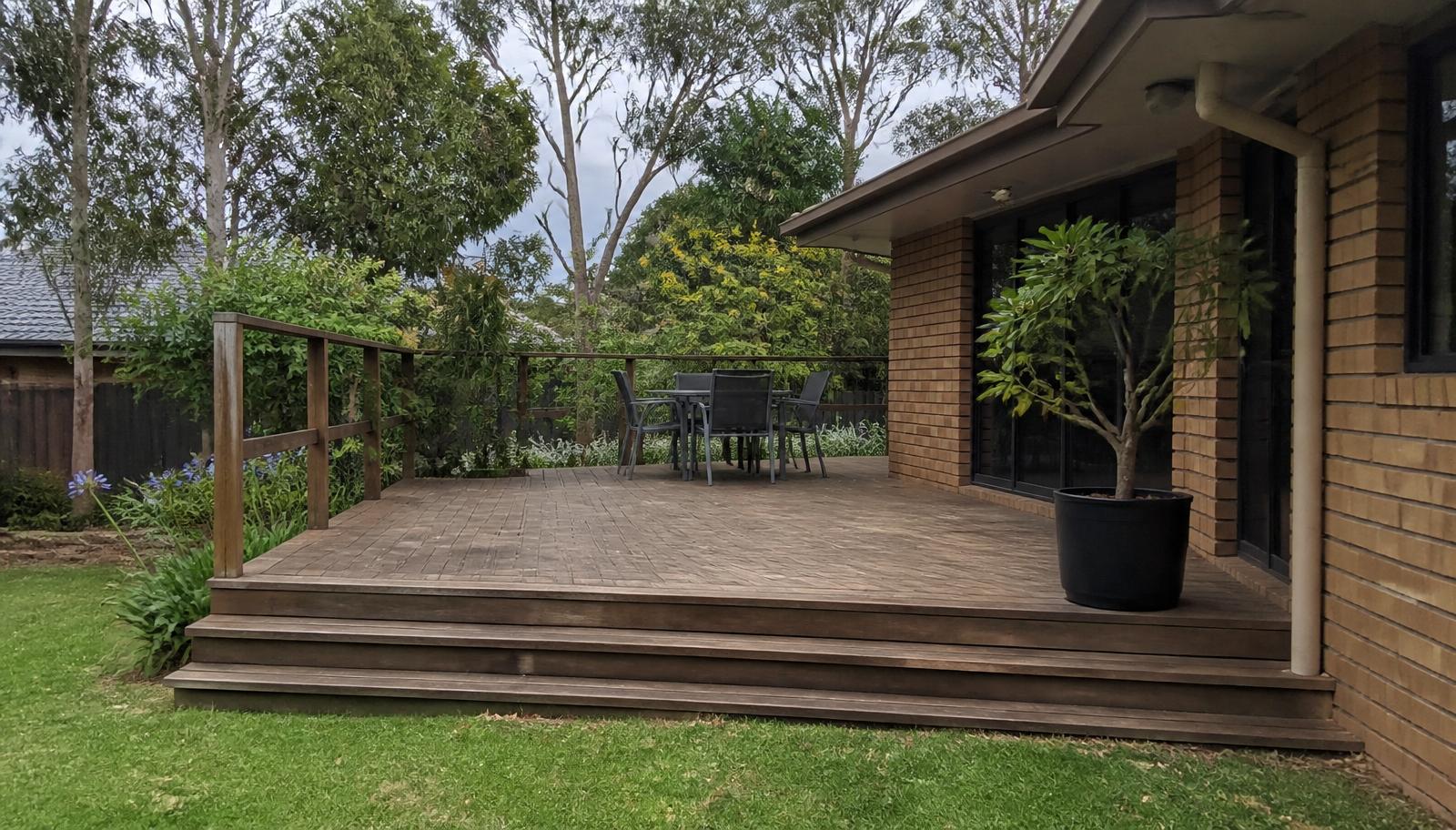
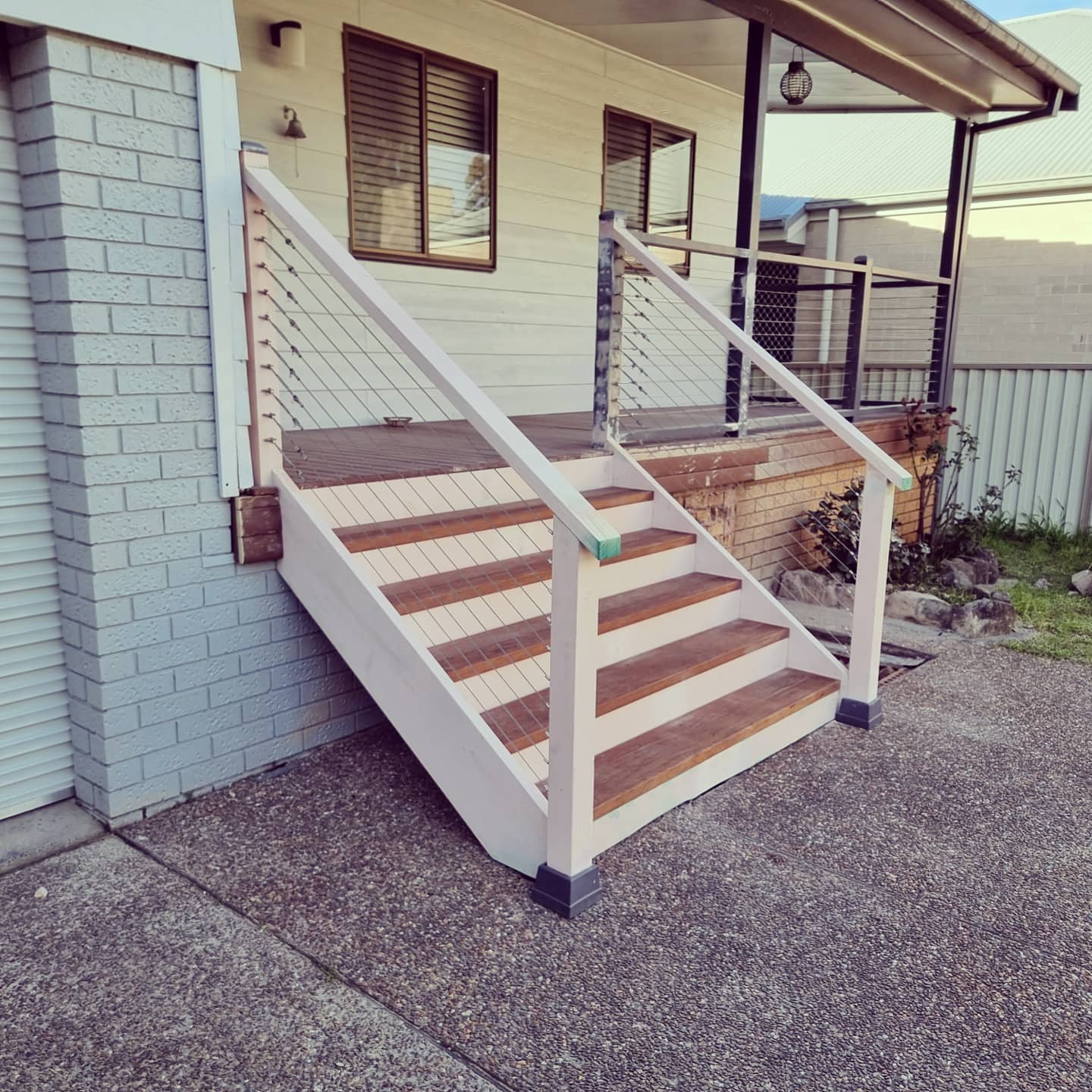
There's nothing quite like the warmth of a real timber deck. For homeowners across the Central Coast — from Terrigal and Avoca Beach to Erina, Wyong and The Entrance — timber decking remains one of the most popular ways to extend living space outdoors and add genuine value to a property. But before you commit to a timber deck, it's worth understanding how our unique coastal climate, salt air and local council rules affect the material, and where timber decking excels compared to modern alternatives.
As a local carpentry team who builds timber and composite decking up and down the Central Coast, we've put together this honest guide to help you make the right decision for your home.
Why Timber Decking Suits the Central Coast Lifestyle
The Central Coast enjoys a warm temperate climate, with summer days regularly reaching the mid-20s and mild winters rarely dropping below 9°C overnight. With around 8–9 hours of sunshine a day for much of the year, outdoor living is practically a way of life here — and timber decking is the classic choice for making the most of it, especially when paired with a pergola or a wider outdoor living area.
The Benefits of Timber Decking
1. Natural beauty and warmth No composite product has quite matched the authentic grain, colour variation and tactile warmth of real timber underfoot. For coastal homes going for a beach-house or Hamptons aesthetic, timber decking is often the design choice that ties the whole exterior together.
2. Cost-effective upfront Depending on species, timber decking is typically cheaper to install than composite decking, making it an attractive option for larger deck areas or budget-conscious renovations.
3. Renewable and repairable Timber is a natural, renewable resource, and individual boards can be replaced, sanded back or re-oiled if damaged — something that's far harder to do with composite products. Our carpentry repairs and maintenance team handles board replacements and deck restorations right across the region.
4. A wide range of species to suit your budget From durable hardwoods like spotted gum and blackbutt to more affordable treated pine, there's a timber decking option to suit almost every budget and application.
The Drawbacks of Timber Decking in a Coastal Environment
1. Salt air and moisture exposure Suburbs close to the coast — Terrigal, Copacabana, MacMasters Beach, Toowoon Bay — cope with persistent salt-laden air and higher humidity, especially over summer and early autumn. This accelerates weathering, greying and the breakdown of surface coatings compared to inland areas around Wyoming or Kariong.
2. Ongoing maintenance Timber decking needs regular attention: oiling or staining every 12–18 months, cleaning to prevent mould and mildew in humid months, and periodic checks for movement, cupping or splinters. Skipping maintenance in our climate speeds up deterioration.
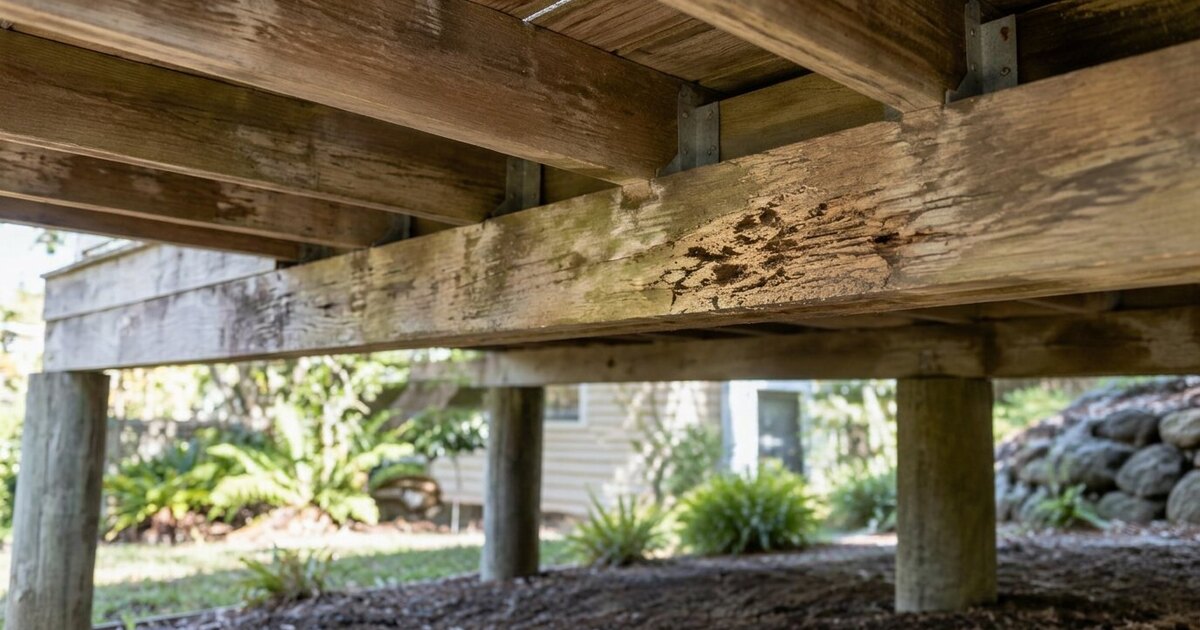
3. Susceptibility to rot, insects and fire risk Untreated or poorly maintained timber is vulnerable to termites and rot, both realistic risks in the Central Coast's bushland-adjacent suburbs. In bushfire-prone areas (common across parts of the region, including areas near Ourimbah State Forest and Wyrrabalong National Park), timber species and construction methods may need to meet AS3959 bushfire construction standards — and the same applies to the timber framing beneath your deck.
4. Fading and expansion/contraction UV exposure and the region's humidity swings mean timber decking naturally moves, contracts and fades over time — something to factor into your design and fixing methods.
Local Rules: Do You Need Council Approval for a Timber Deck?
Under the NSW State Environmental Planning Policy (Exempt and Complying Development Codes), many timber decks can be built as exempt development without formal Central Coast Council approval — provided the deck:
- Is no more than 1 metre above ground level
- Has a total area of 25m² or less
- Is set back at least 900mm from side and rear boundaries
- Sits behind the building line
- Is not located in a heritage conservation area, flood-prone zone or high bushfire risk area (or complies with AS3959 if it is)
If your project doesn't meet all of these criteria — for example, a raised timber deck attached to the home, or a build in a bushfire or flood-affected zone — you'll likely need a Complying Development Certificate (CDC) or a full Development Application (DA) through Central Coast Council. Given the number of bushfire-prone and flood-affected properties across the region, it's always worth checking your property's planning constraints before starting work.
Choosing the Right Timber for Your Central Coast Deck
For coastal and near-coastal properties such as Umina Beach, Wamberal and Bateau Bay, hardwoods like spotted gum, ironbark and merbau offer excellent durability and natural resistance to moisture and insects. For properties further inland or more sheltered from salt spray, treated pine can offer a more budget-friendly option, provided it's properly sealed and maintained.
Is Timber Decking Right for You?
Timber decking remains a beautiful, cost-effective and characterful option for Central Coast homes — particularly if you enjoy hands-on maintenance and love the natural look and feel of real wood. If low maintenance is your priority, it's worth comparing timber against composite decking before making your final decision, or reading our composite vs timber decking breakdown.
Talk to a Local Central Coast Decking Specialist
Every property on the Central Coast faces different exposure to sun, salt and moisture, and the right timber decking solution depends on your specific site, budget and council zoning. Get in touch with our team for a free, no-obligation quote and expert advice tailored to your home — we build decks right across the Central Coast, from Terrigal to Woy Woy.
Related services
Ready to move from planning to build? Explore the services we cover on the Central Coast: