There is a lot to like about doing it yourself. You save on labour, you learn a new skill, and there is real satisfaction in standing back at the end of the weekend and admiring something you built with your own hands. Plenty of the homeowners we meet on the Central Coast are handy people with a decent tool kit and a good eye.
But carpentry sits on a spectrum. At one end are cosmetic jobs where a mistake costs you an afternoon and a length of timber. At the other end are structural jobs where a mistake costs you thousands, voids your insurance, or puts someone at risk. Knowing where a project sits on that spectrum is the difference between a smart DIY win and an expensive lesson.
This guide walks through what most homeowners can safely tackle themselves, where DIY quietly starts costing more than it saves, and the projects that are almost always best handed to a professional carpenter who works to Australian Standards every day.
DIY Projects Most Homeowners Can Handle
If a job is non-structural, sits at ground level, and does not need waterproofing or certification, it is usually fair game for a confident DIY carpenter. These are the projects we happily encourage people to have a crack at:
- Shelving and storage — floating shelves, garage racking, wardrobe fit-outs and linen shelving. Get your stud locations and fixings right and you are most of the way there.
- Garden beds and planter boxes — simple, forgiving and a great way to build confidence with a drop saw and impact driver.
- Decorative timber features — feature battens, small screens, picture rails and simple panelling.
- Small repairs — replacing a single deck board, re-fixing a loose gate, patching a damaged architrave or easing a sticking door.
- Skirting boards and architraves — a mitre saw, a nail gun and patience will get a tidy result in most rooms.
- Flat-pack furniture and cabinetry — tedious, but genuinely a job you can do yourself.
What these jobs have in common is that nothing depends on them structurally. If the finish is a little off, you can pull it apart and try again. Nobody gets hurt, no water gets into a wall cavity, and no certifier needs to see it.
When DIY Starts Costing More
The trouble usually starts when a homeowner is a step or two past their experience level and does not realise it until the job is half built. We get called out to these regularly, and the pattern is consistent.
- Incorrect measurements. Timber is expensive. A single set-out error repeated across a frame or a deck can write off a whole pack of hardwood.
- Poor waterproofing. By far the costliest mistake in the book. Water that gets behind tiles, cladding or into a subfloor does not announce itself — it shows up as rot and mould a year later.
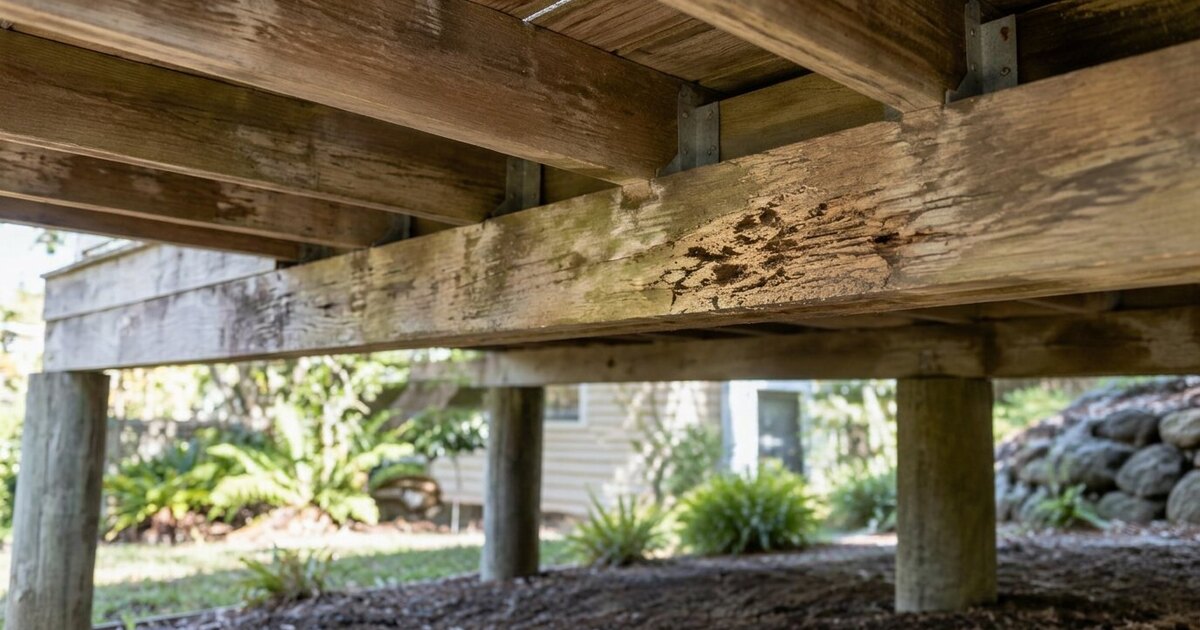
- Uneven decking. Boards laid without consistent gapping, or a frame built without fall, leads to ponding water, cupped boards and a deck that ages badly within two summers.
- Structural mistakes. Undersized bearers, joists spanning too far, or a wall opened up without temporary support. These are safety issues, not aesthetic ones.
- Wrong fixings. Using non-galvanised or incorrectly rated fixings near the coast is a guaranteed problem. Salt air on the Central Coast eats the wrong hardware within a couple of years and stains the timber as it goes.
- Water damage. Flashings left out, cladding lapped the wrong way, or a deck ledger fixed straight to the house without a waterproof detail.
- Paying someone to redo the work. The most expensive outcome of all, because someone has to demolish and dispose of the first attempt before the real job even starts.
Rectification work is almost always dearer than doing it properly the first time. You pay twice for labour, twice for materials, and once for the demolition in between. Whenever we quote a rebuild of a failed DIY deck, the owner has usually spent more than the original professional quote before we have even arrived.
Projects Best Left to a Professional Carpenter
Deck Construction
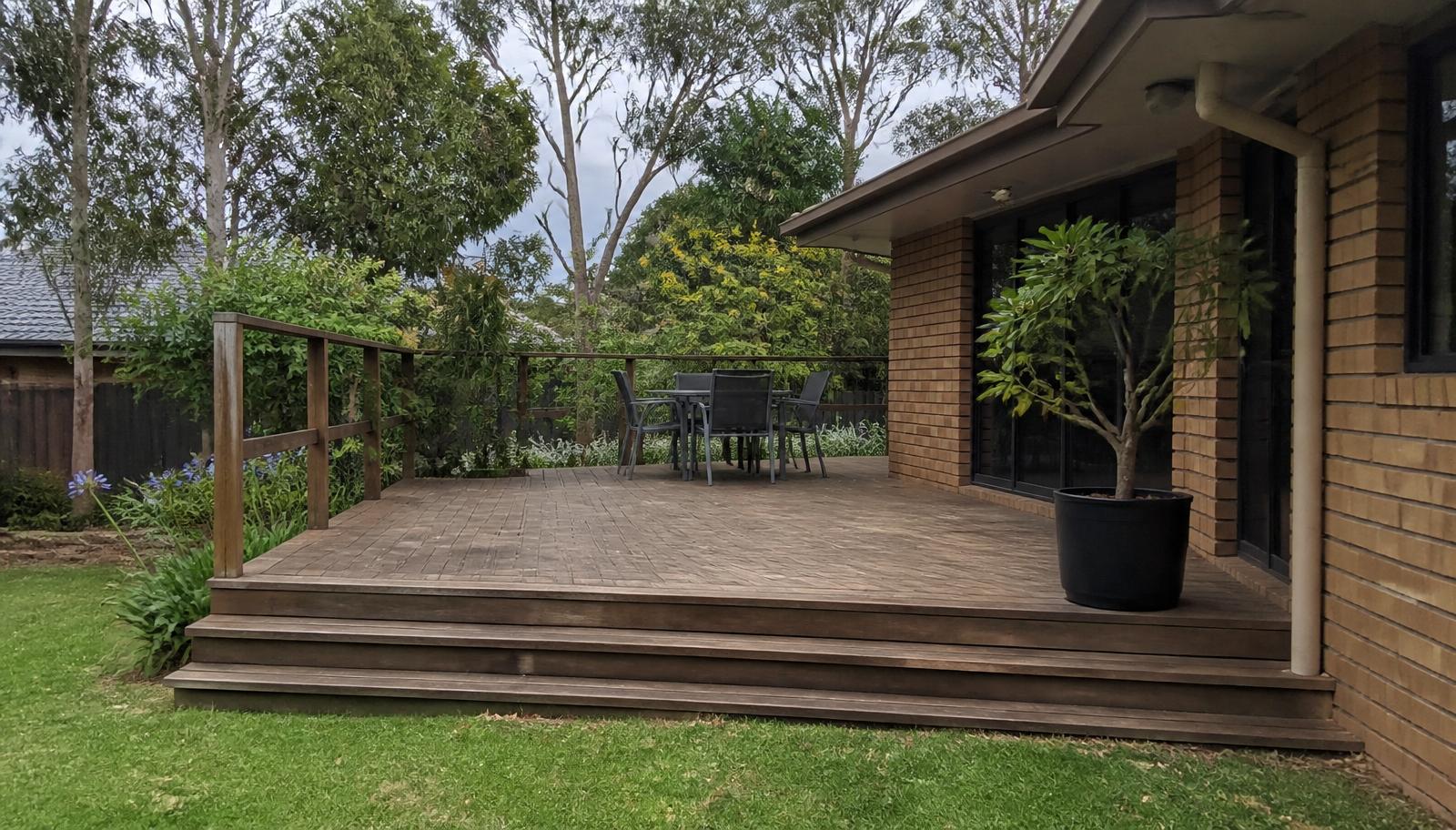
A deck looks simple from above and is anything but underneath. A properly built deck needs correctly sized and spaced footings, bearers and joists selected for the span and load, adequate ventilation beneath the frame, a waterproofed ledger connection to the house, and a considered approach to drainage so water runs away rather than sitting on the frame.
Add to that the requirements around balustrade heights, gaps and loadings once a deck sits above a certain height, plus bushfire and coastal exposure considerations, and it becomes a job for an experienced deck builder rather than a first-timer. A well-built deck lasts decades. A poorly framed one starts moving within a season.
Pergolas
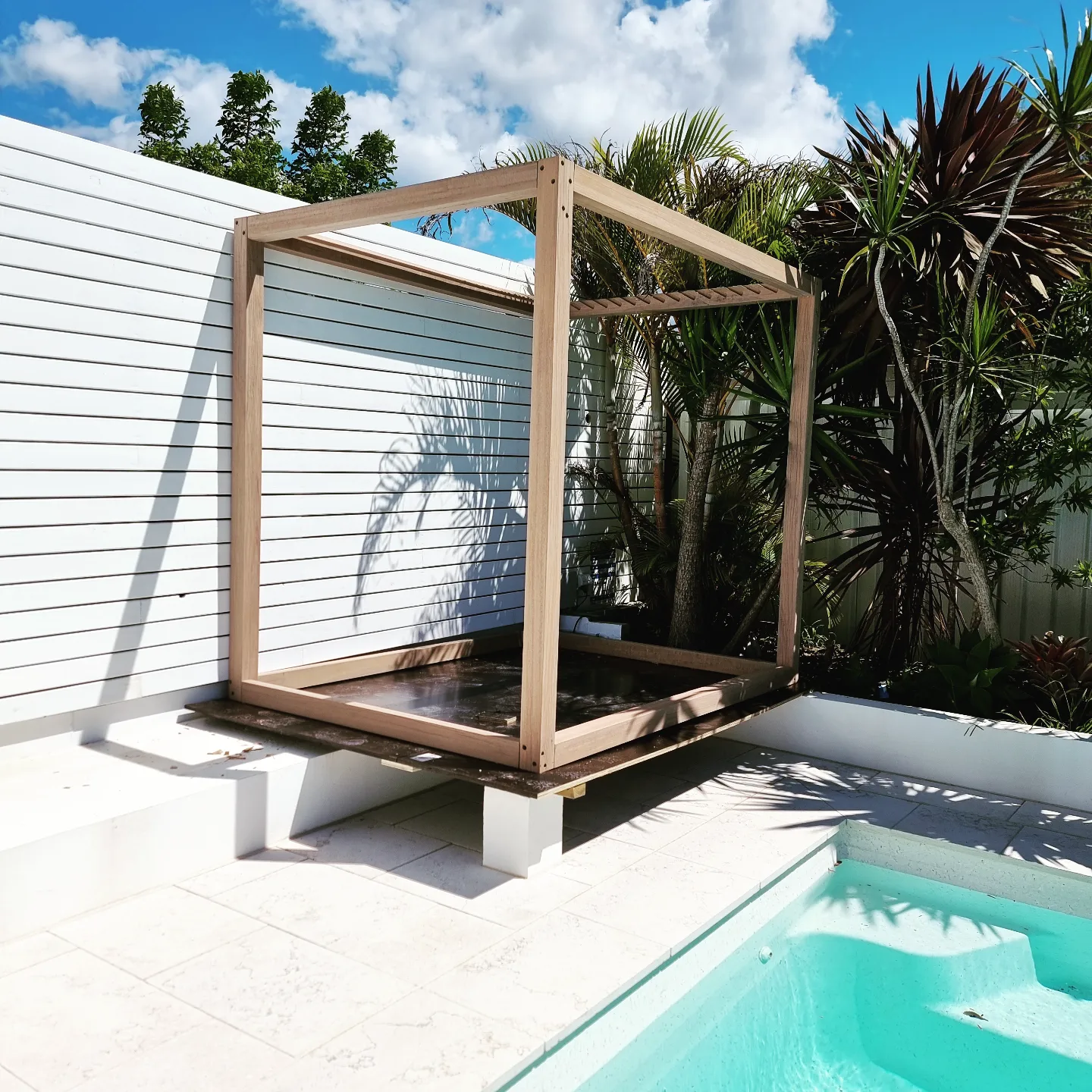
Pergolas cop wind loads that most people underestimate, especially on exposed Central Coast blocks. Post size, footing depth, bracing and fixings all need to suit the span and roof type. A pergola with undersized footings can lift or rack in a storm, which is both a safety risk and an insurance headache. Our pergola builders size everything to the site rather than to a generic plan, and integrate the structure properly with the house and any adjoining outdoor living areas.
Bathroom Renovations
Bathrooms are the least forgiving room in the house. Waterproofing must be installed by a licensed applicator and certified — and it must be right, because a failure is invisible until timber has rotted and tiles start drumming. Moisture management, correct fall to wastes, substrate selection and coordination with plumbers and electricians all have to be sequenced properly. A bathroom renovation is a project where the trade coordination alone is worth the professional fee.
Kitchen Renovations
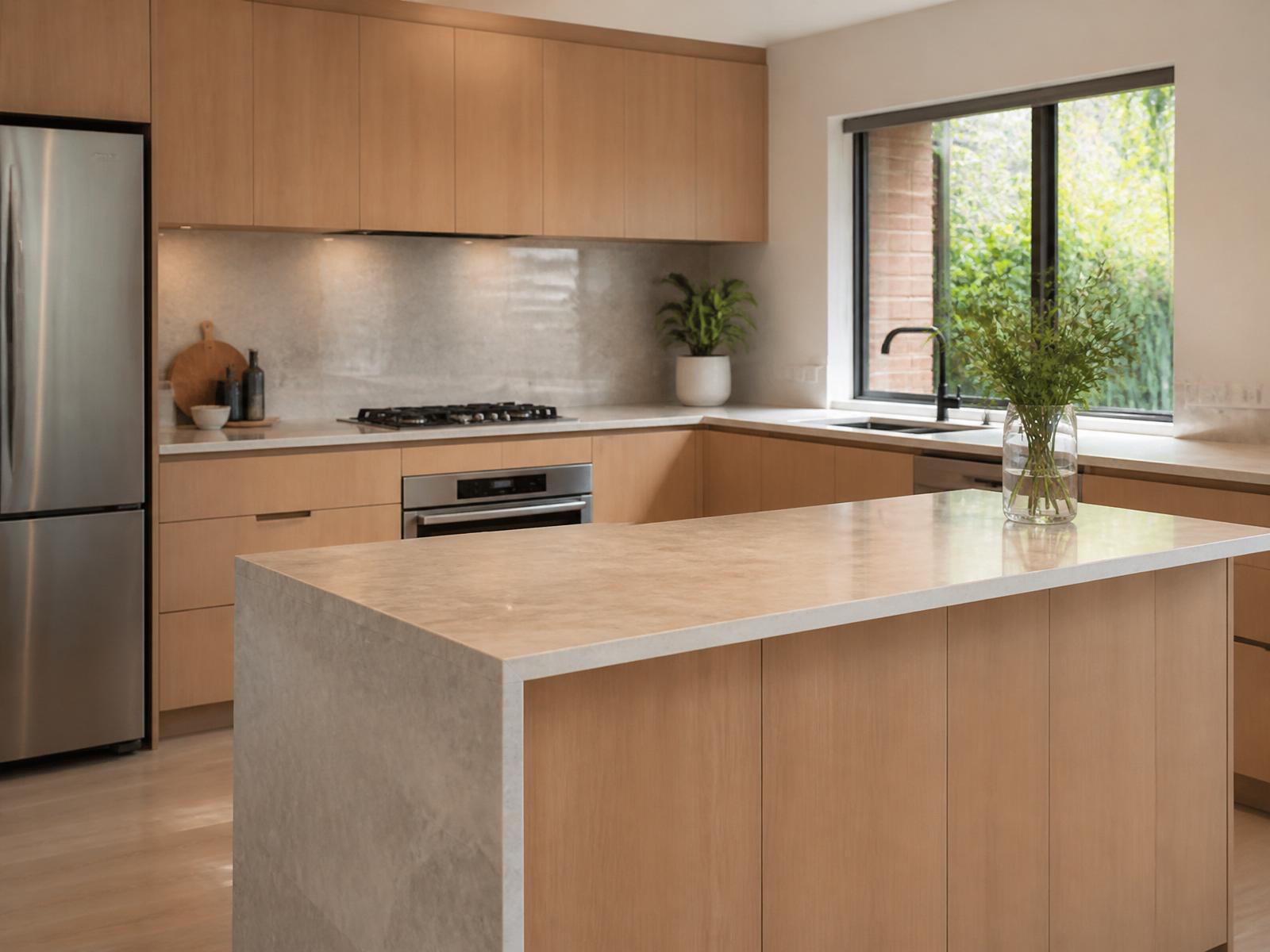
Kitchens are where finish quality shows. Cabinets need to be installed dead level and plumb on floors that rarely are. Benchtops require accurate templating and support. Many kitchens also involve structural alterations — removing or shifting a wall, relocating services, or widening an opening — which brings load-bearing considerations into play. A professionally installed kitchen renovation looks tight around the edges years later, which is where DIY installs typically give themselves away.
Structural Carpentry
Anything holding the building up belongs to a professional. That covers timber framing, load-bearing walls, roof framing, structural beams and lintels. These elements are engineered, inspected, and subject to Australian Standards for good reason. External cladding sits in the same category, because the weatherproofing detail behind it protects the frame from the elements.
There is no safe way to guess at a beam size or open up a wall and hope. If a job involves load paths, it involves a carpenter with the experience — and the insurance — to stand behind it.
The Hidden Cost of DIY
The DIY saving is usually calculated as the labour line on the quote. In practice, several other costs turn up:
- Tool purchases. A drop saw, nail gun, laser level and decent drill add up fast, and are rarely used again at that scale.
- Tool hire. Post-hole diggers, props, scaffolding and compactors are all day-rate items, and hire days multiply when a job runs long.
- Materials at retail pricing. Trades buy at trade rates from suppliers they use weekly.
- Wasted materials. Miscuts, wrong orders and over-ordering are normal on a first attempt.
- Time. Three weekends of your life has real value, particularly when a professional crew would have finished in four days.
- Safety equipment. Correct PPE, fall protection and safe working platforms are not optional on elevated work.
- Trips to the supplier. Every forgotten bracket is another hour in the car.
Why Hiring a Professional Often Saves Money
Once you total the hidden costs, the gap between DIY and a professional quote narrows considerably — and the value swings the other way.
- Faster completion. An experienced crew works to a sequence and keeps the job moving.
- Better workmanship. Straight lines, consistent gaps and clean junctions come from repetition.
- Correct materials. The right timber species, treatment level and fixings for a coastal environment.
- Experience. Problems get spotted before they are built in, not after.
- Less waste. Accurate take-offs and efficient cutting lists.
- Compliance. Work built to Australian Standards, with the approvals and certification sorted where required.
- Long-term durability. Fewer callbacks, fewer carpentry repairs, and a structure that ages well.
Quality Work Adds Value to Your Home
Good carpentry is one of the few home investments that is visible, functional and financially sensible at the same time. A well-built deck or a considered custom carpentry feature immediately lifts how a home presents, and buyers notice quality joinery and finishing long before they notice paint colour.
Professional work also lasts. A deck framed and fixed correctly will still be solid in twenty years; one built on shallow footings with the wrong hardware will need replacing in five. And there is the intangible benefit — knowing the structure your family uses every day was built properly, by someone accountable for it.
So, DIY or Professional?
DIY is genuinely worthwhile for smaller cosmetic jobs: shelving, garden beds, timber features, skirting and minor repairs. If the worst-case outcome is a wasted Saturday, back yourself.
Once a project involves structure, waterproofing, height, span or certification, the balance tips. Those jobs reward experience, and they punish guesswork expensively. Bringing in a professional carpenter early — even just for advice or a set-out — often costs far less than fixing it later.
Looking for an Experienced Carpenter on the Central Coast?
Shore Carpentry has more than 20 years' experience building for homeowners right across the Central Coast. We build decks, pergolas and outdoor living areas, complete bathroom and kitchen renovations, handle structural timber framing and cladding, take care of ongoing carpentry repairs and maintenance, and design and build custom carpentry to suit your home.
Whether you have decided a job is beyond a weekend project, or you simply want an honest opinion on whether it is worth tackling yourself, we are happy to have the conversation. Request a free, no-obligation quote and we will visit your site, talk through the options and give you a clear fixed price — no pressure, no sales pitch. You can also get in touch here if you would prefer a quick chat first.
Related services
Ready to move from planning to build? Explore the services we cover on the Central Coast: